Furnace Maintenance in Charleston, SC
A furnace that sits idle for months should get a safety check before it fires again. Here is what a fall visit covers and what gets quoted separately.
- 4.9★ on Google (16 reviews)
- Open 24 hours, 7 days
- Clear, upfront quotes
Furnace maintenance in Charleston is mostly a safety job. Your furnace may run only through a short winter, but it spends the rest of the year idle in a humid attic or closet, and then it has to light cleanly on the first cold night.
Aero Air Techs checks the burners, flue and safety controls in fall, so you find out about a problem while the weather still gives you options.
Is furnace maintenance in Charleston worth it with winters this short?
Yes, because the risk comes from combustion and not from run hours. CPSC urges a yearly professional inspection of all fuel-burning heating systems, and its guidance calls out flues, vents and chimneys for leaks, blockages and loose or disconnected sections.
Time off does its own damage here. Humidity rusts burners, insects and debris find their way into vents, and sensors film over. Then a freeze arrives, the furnace fires for the first time in months, and everyone else in town is calling too. Booking in fall gets you ahead of that.
Getting a heat pump checked instead? The same logic applies, and our heat pump repair page explains why the outdoor unit has no off season.
What a furnace inspection covers, line by line
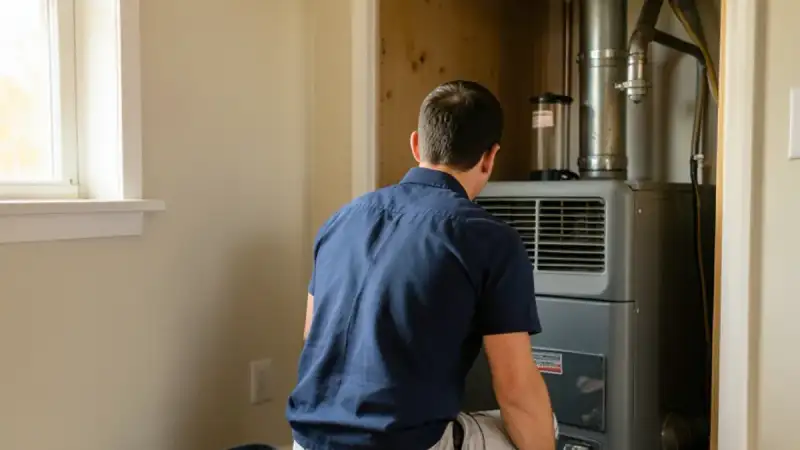
Expect a clear list of what was checked, not a vague tune-up. A gas furnace visit typically covers:
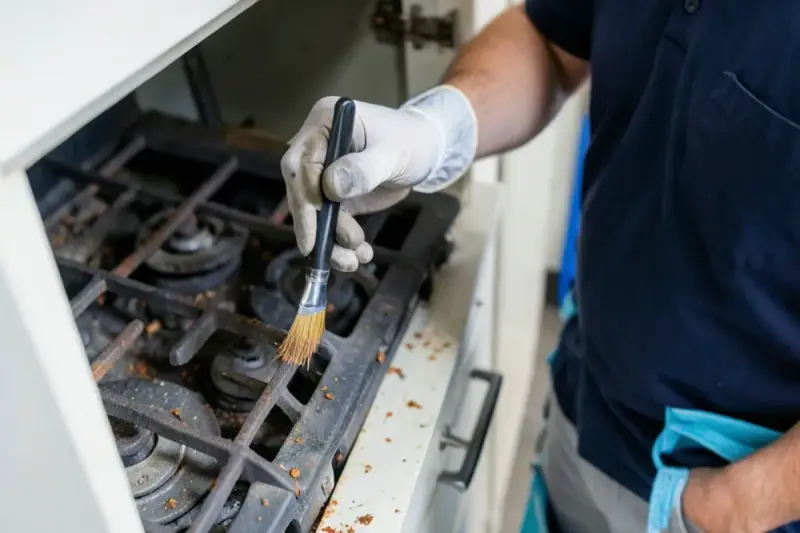
- Burners. Cleaned of rust and dust, and checked for an even flame.
- Igniter and flame sensor. Inspected, and the sensor cleaned.
- Heat exchanger. The sections we can reach get a visual check.
- Flue and vents. Checked for rust, gaps, slope and blockages.
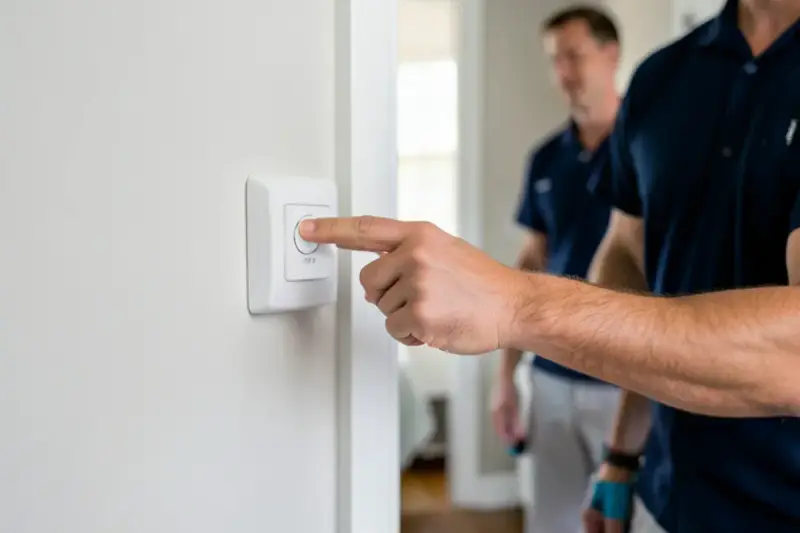
- Safety switches. Limit, pressure and rollout switches tested.
- Gas connections. Checked for leaks at the furnace.
- Blower. Wheel, motor and amp draw checked for dirt or wear.
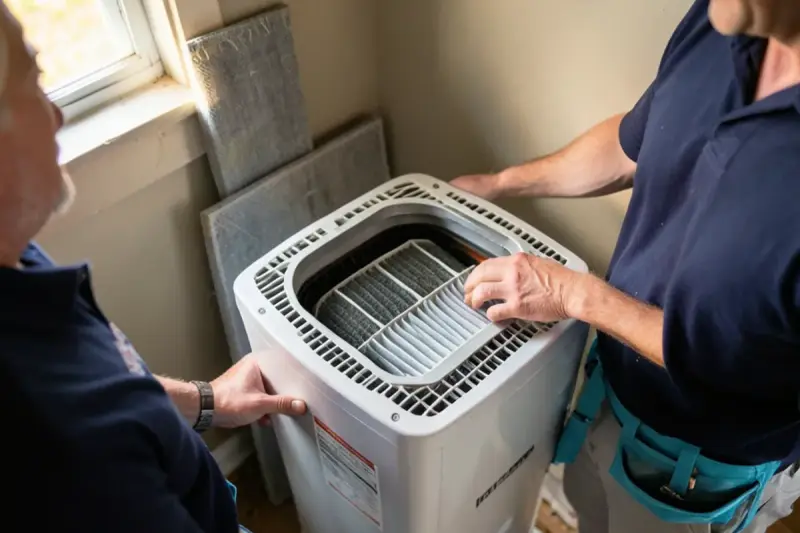
- Filter and airflow. Filter checked, temperature rise measured.
- Thermostat and full cycle. One complete heating cycle, watched start to finish.
Electric furnaces skip the burner and flue items. We check the heating elements, sequencers, limits, wiring and blower instead.
The heating safety check: what we look for
Three things matter most, and all three connect to carbon monoxide.
Heat exchanger. This metal wall keeps combustion gases out of your air. A crack can let those gases through, so a suspected crack gets flagged right away and shown to you. A visual check has limits, and some areas take a camera to see.
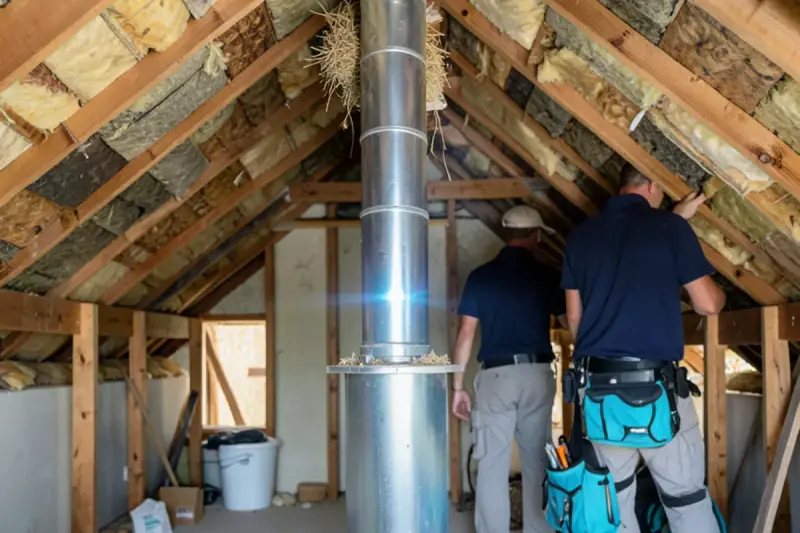
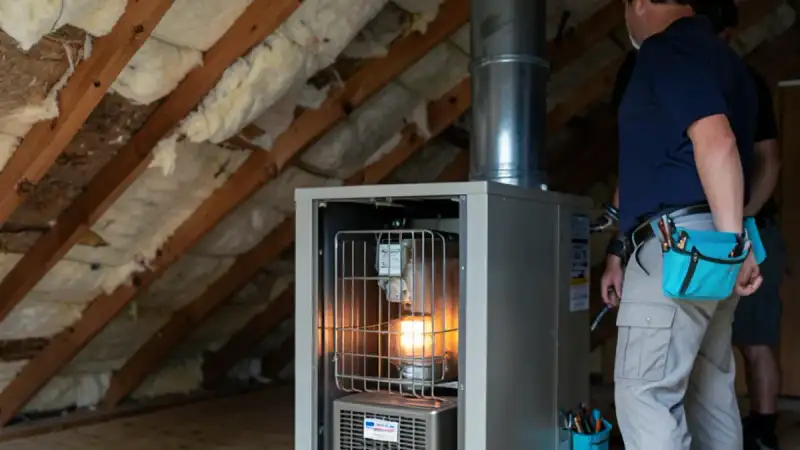
Flue and venting. Gases have to leave the house. An attic flue can rust, separate at a joint or pick up a nest at the top.
CO alarm. Ours is a furnace check, and a working alarm is your protection for the other 364 days. CPSC recommends a CO alarm in the hallway near bedrooms. It also advises testing batteries monthly and replacing them each year. If an alarm ever sounds, get outside and call 911.
Request a quote
Calling is the fastest way to reach us: (831) 461-3437. If you would rather write it down, send the details here.
Timing, steps and what sets the price
Book in October or November if you can, before the first freeze fills the phones. A typical visit runs like this.
- We ask how the furnace ran last winter.
- We shut it down and open it up.
- We clean and inspect, working through the list above.
- We fire it and watch a full heating cycle.
- We show you anything we found and quote any repair before going further.
The price depends on the type of furnace, how hard it is to reach and whether you add a spring AC tune-up. Attic furnaces take longer than closet units. Ask for the price when you call, and we will quote before work begins.
What the visit does not include
Maintenance does not cover repairs or new parts. An igniter that tests weak, a failing blower capacitor or a corroded flue section gets quoted on its own, and then you decide. If the visit turns up something that needs fixing, furnace repair takes over from there.
Duct cleaning and air quality work are separate too. If dust or allergies are the real complaint, read about air purifiers and filtration.
No permit applies to a routine check, because nothing about the installed system changes. The picture shifts if the visit ends with a failed heat exchanger, since replacing the furnace falls under your local mechanical permit. Gas leaks are a different call entirely: CPSC says to leave and contact local gas authorities from outside.
One fall visit or a heating maintenance plan?
Start with one visit. Nothing about a furnace requires a contract, and a single yearly check covers the safety work.
We have no published plan terms, so ask when you call if you would like recurring visits. Whatever plan you are offered, from any company, ask what each visit includes, whether repairs are discounted or simply quoted and how scheduling works in a freeze.
What you can do between visits
A few simple habits cover most of it.
- Change the filter on schedule. Check it monthly while the furnace or AC is running.
- Keep the closet clear. Paint cans, boxes and cleaning products do not belong near a gas furnace.
- Test your CO alarm. Do it monthly.
- Run the heat early. Try it on a cool fall day, not on the coldest night.
- Check the vents. Keep supply and return grilles open and uncovered.
Our fall furnace checklist has the full list. If the heat fails anyway, read our steps for no heat at night.
Why book your fall check with Aero Air Techs?
You get a clear list of what was done, and no pressure on what was found.
- 4.9 on Google. October 2026 figure, from 16 reviews.
- Attention to the details. A review of one visit reads "Paid attention to detail."
- Punctual visits. The same review opens with "Pleasantly on-time."
- Pricing that matched. It also notes "price were as quoted."
“Pleasantly on-time. Professional individual service. Paid attention to detail. Highly recommend 👌 price were as quoted.”
“We called Cris and he came right over. He was knowledgeable about our unit and fixed it in a matter of minutes. His professionalism was top notch and we will be calling him for any AC issues moving forward. Highly recommended. I wish I could give more than 5 stars!”
“These guys are very reliable and trustworthy. Had issues with my AC not cooling and called Aero. They came out super quick and fixed my problem AND they were really affordable. I recommend them for all your HVAC needs!”
4.9 out of 5 from 16 Google reviews (checked October 2026). Read more reviews · Leave a review
Fall furnace visits around Charleston
Based in Charleston, we book fall visits across the surrounding areas, such as James Island, Goose Creek and Awendaw. Call with your address and the type of furnace you have, and we will find a time before the cold arrives.
The right week to book depends on how soon your first freeze comes.
- Summerville: the first freeze averages November 12, so aim for October.
- Moncks Corner: inland cold arrives ahead of the peninsula, so book early.
- Goose Creek: a home you just bought may have no service history, so ask for a first look.
- North Charleston: the airport averages a first freeze on November 27.
- James Island: crawlspace systems deserve a look at the flue and any rust.
- Awendaw: forest-edge lots collect pine straw around heat pumps, so clear it before winter.
- Hanahan: closet furnaces in older ranches need clear space around them.
- Walterboro: freezes come weeks ahead of the coast, so plan the visit well before that.
Questions about this service
How often should a furnace get a tune-up in Charleston?
Once a year, ideally in fall. CPSC urges a yearly professional inspection of all fuel-burning heating systems, and short Charleston winters do not remove the risk, since a gas furnace still burns fuel every time it starts. Electric furnaces have no combustion to check, though their elements, sequencers and blower are still worth looking at on a regular schedule.
Does an electric furnace need maintenance?
Yes, though less of it. There is no burner, flue or carbon monoxide risk from the unit itself. We check the heating elements, sequencers, limit switches, wiring and blower, and we look at the filter and airflow. Around Charleston, many electric furnaces also serve the AC, so one visit can catch problems for both seasons.
What is included in a furnace tune up?
A typical visit covers the burners, flame sensor, igniter, heat exchanger areas we can reach, flue, safety switches, blower, filter and a full heating cycle. Repairs are separate. If we find a failed part, we show you and quote it before going further, so a maintenance call does not turn into a surprise.
Do you offer a heating maintenance plan?
We have no published plan terms to quote here. Want recurring visits? Raise it on the phone and you will hear what is available. Any plan you consider, from anyone, should spell out what each visit includes, what it leaves out and whether repairs are treated differently.
Why does my furnace smell like burning dust the first time I turn it on?
Dust that settled on the heat exchanger over a long idle season is burning off, and it usually fades within a short while. In Charleston, a furnace can sit for many months, so this is common on the first cold night. If the smell lasts, or it smells like gas or rotten eggs, leave the house and phone 911 or your gas utility's emergency line.
Sources
Related services
Furnace Repair
No heat, cold air and ignition faults, tested and explained before any work starts.
AC Maintenance
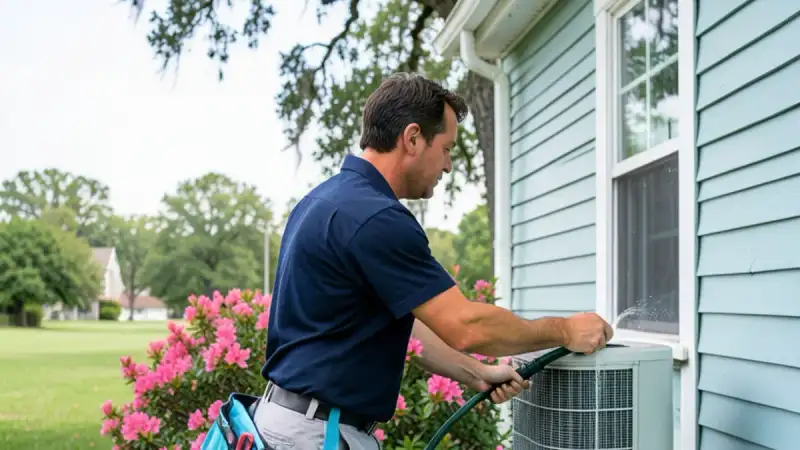
Coil rinse, drain care and electrical checks before the long cooling season.

Air Purifiers and Filtration
Filters and whole-home air cleaners matched to your blower, with realistic expectations.