Heating and Cooling in Kiawah Island, SC
A Kiawah service call starts with a gate pass and a long drive, and outdoor changes can need review. Ring us first and we will pin down a date.
- 4.9★ on Google (16 reviews)
- Open 24 hours, 7 days
- Clear, upfront quotes
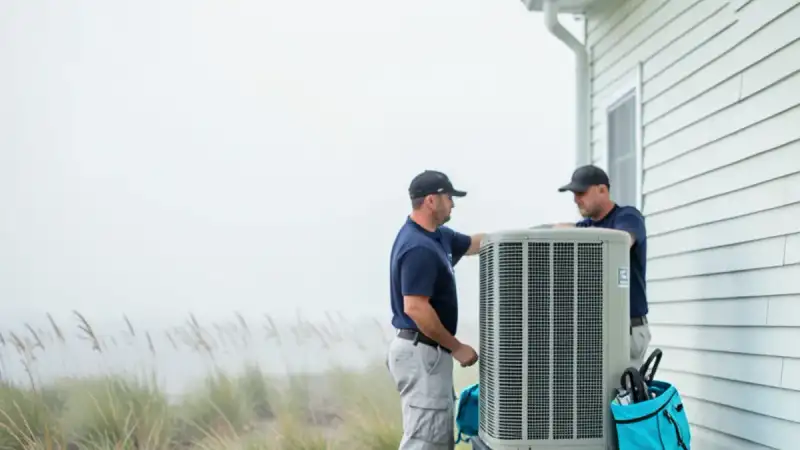
Heating and cooling in Kiawah Island starts before anyone reaches the house. The island is a private gated community, about 74 minutes by road from our Charleston base, 32 miles away across Johns Island. Because of that distance, Aero Air Techs plans visits here by phone. Ring us first and we will pin down a date. The island counted 2,013 full-time residents in 2020 and rises past 10,000 in the busy season.
Large resort homes, often with more than one system, sit empty for stretches and then run flat out when the family arrives.
What does the Kiawah gate ask of a contractor?
Expect a pass, and plan for it. The Kiawah Island Community Association's gate page says that when a member requests a contractor or other commercial business, the business must get a one-day pass or an annual decal at the Pass Office during business hours, or at the main gate after hours. The driver shows a valid driver's license, a current vehicle registration and insurance. The business normally pays, though a member can call or email ahead to authorize payment on their account.
KICA's board passed a Roadway and Gate Access Policy in December 2025, so check the current rules with KICA before your appointment. If you are renting, start with the owner or the rental manager.
From Bohicket Road to Kiawah Island Parkway
The drive shapes the visit. Bohicket Road carries traffic down Johns Island toward Kiawah and Seabrook, then Betsy Kerrison Parkway leads to the island, and a slow afternoon on Johns Island is felt the whole way. The main gate sits on Kiawah Island Parkway at Beachwalker Drive.
Because the trip is long, we set it up on the phone:
- Tell us the address and the symptom. Add the name of the regime or association if the home has one.
- Read us the data plates. Model numbers for the affected air handler and condenser help us plan for one trip, not two.
- Settle the pass. Decide who pays and whether the charge goes on your account.
- Confirm a date. We are open 24 hours, but that does not shorten 74 minutes, so we will tell you what is realistic.
- Get the quote first. Testing happens on site, and a clear, upfront quote comes before any repair.
ARB review, regimes and the Town: which sign-off comes first?
Ask before anything outside the house changes. The Architectural Review Board's FAQ says exterior work on a home needs its approval and a permit before work starts. Villa, cottage and townhouse owners must first get written approval from their regime or association board.
The FAQ does not spell out a rule for a like-for-like condenser swap, so ask. It does say a generator stand should match the existing HVAC stand in color, materials, height and design, with evergreen screening at least half its height, and that gives you a sense of how closely stands get looked at. KICA has also been taking over design review in stages, so confirm who reviews your job today.
The Town of Kiawah Island has its own Building Services office and permit portal. Find out early who will hold each approval, and confirm flood height with the Town, because county flood rules do not automatically carry over to an incorporated town.
Multi-zone systems in large island homes
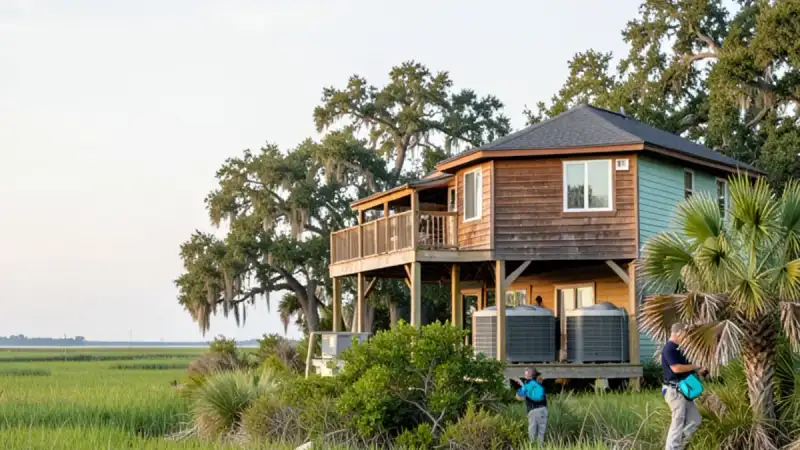
More zones mean more places for a fault to hide. A big house may run two or more complete systems, or one system split by motorized dampers and a zone board. When one floor runs warm, the compressor is not the first suspect. A stuck damper, a dead zone board or a failed thermostat can do it, and the outdoor unit may be fine.
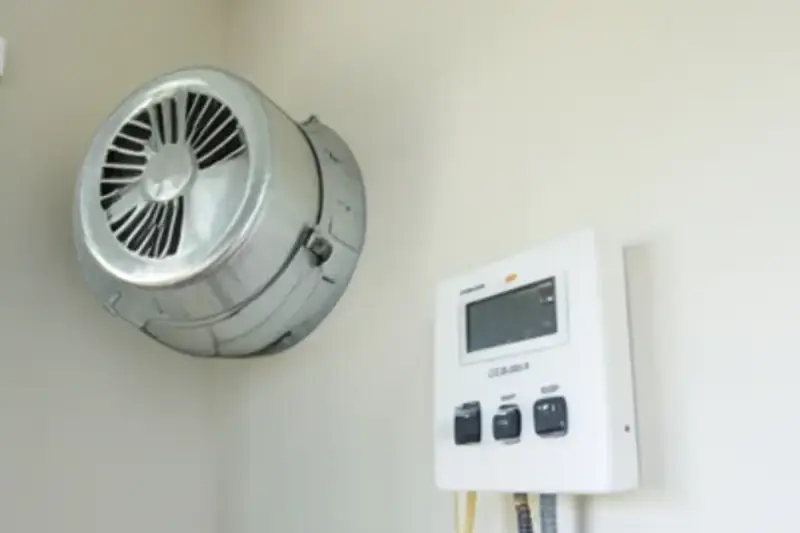
Empty weeks add a second problem. Rooms closed off for long stretches on an island that sits about 7 feet above sea level hold humidity, and then the whole house loads up at once when guests arrive. A system with a slow drain or a weak part usually fails on that first hard day.
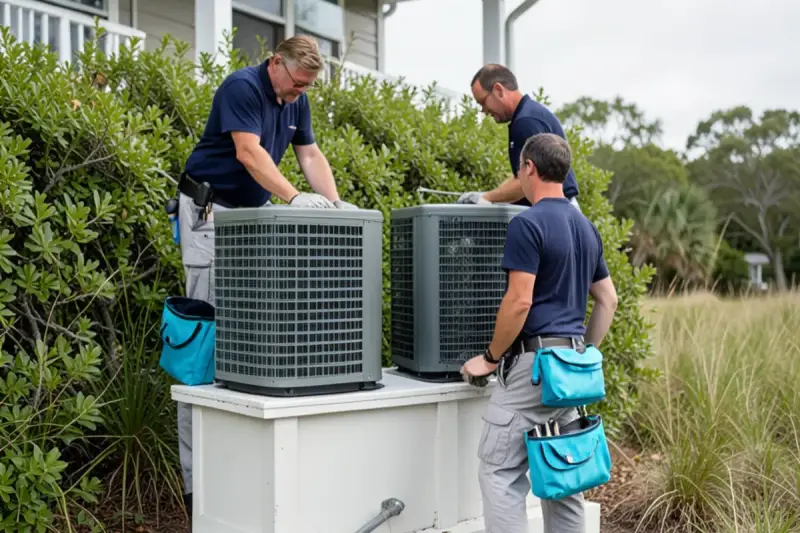
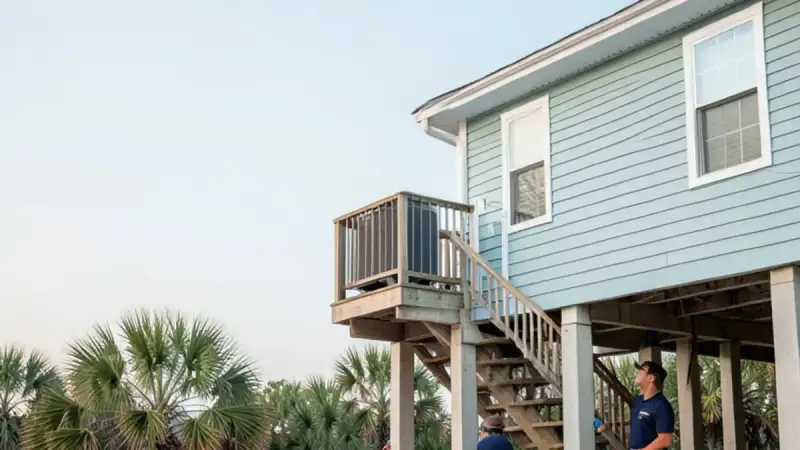
Salt does the rest. With about 10 miles of beach and marsh behind it, the island puts every condenser in salt air, and a house with several units has several coils to look after.
Heating and cooling in Kiawah Island, system by system
These fit the way island homes are built and used:
- Coastal corrosion AC repair for coils, cabinets and contacts worn by salt. With ten miles of beach and marsh behind, exposure varies, so tell us how close the condensers sit to open water.
- AC maintenance before the summer rush, one system at a time. At about 74 minutes by road plus the gate, doing every zone on one planned visit saves a second long trip.
- AC replacement when a coil is past saving, with outdoor approvals sorted first. ARB sign-off and any regime approval can take longer than the install, so start before the unit fails completely.
- Thermostat installation where each zone needs dependable control and remote alerts help an absent owner. A large home's fault can run for days unnoticed, so choose controls that report temperature and humidity.
- Whole home dehumidifiers for houses that sit closed between visits. A home at seven feet above sea level, beside marsh, stays humid when nobody is running the system through its normal rhythm.
- Duct repair for long runs serving far zones of large homes. One weak zone often comes down to a pulled connection in a raised floor or attic, so test airflow before replacing equipment.
“Great customer service and prompt arrival. Techs got job completed in a timely manner and prices were reasonable.”
“Pleasantly on-time. Professional individual service. Paid attention to detail. Highly recommend 👌 price were as quoted.”
4.9 out of 5 from 16 Google reviews (checked October 2026). Read more reviews · Leave a review
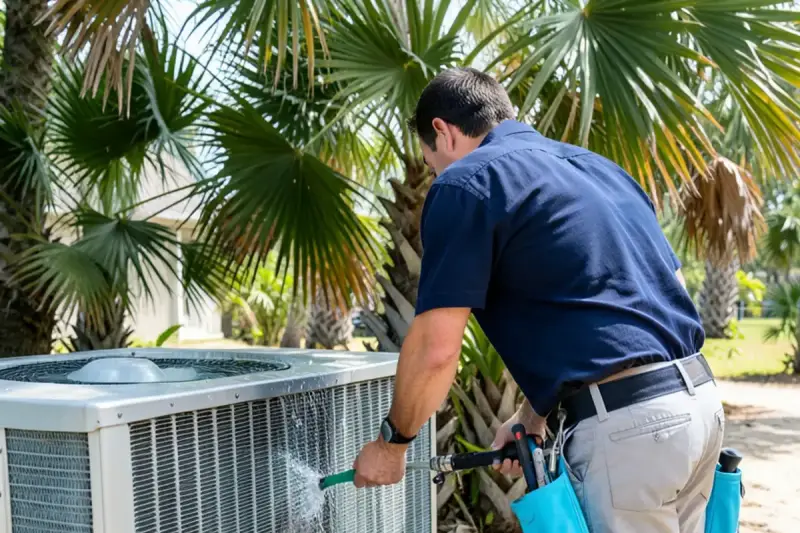
Neighboring communities and the rest of our coverage are on the service areas page.
Aero Air Techs Hvac · Charleston, SC · Open 24 hours, 7 days a week · Get directions
Questions about Kiawah Island
Who pays for a contractor's gate pass on Kiawah?
KICA says the commercial business normally pays, though a member can call or email ahead to put the charge on their own account. Passes are bought at the Pass Office in business hours or at the main gate after hours. Rates vary between KICA's pages, so confirm the current figure with KICA and settle it when you book the visit.
Do I need ARB approval to replace an outdoor unit on Kiawah?
Ask before you schedule it. The ARB says any exterior work needs its approval and a permit before work starts, and villa, cottage and townhouse owners need written approval from their regime or association board first. It does not spell out a like-for-like swap. Moving a unit or building a new stand is a bigger change, so raise that early.
How soon can you reach a Kiawah home?
Call and ask, because it depends on the day. The island is about 74 minutes by road from our Charleston base, and the pass stop comes on top of that. We are open 24 hours, but we arrange these visits by phone and confirm a date with you. A date we can keep is worth more than a guess at an arrival time.
Why is one zone hot when the rest of the house is fine?
Look at the zoning before the compressor. If the other floors cool normally, the outdoor unit is probably working, which points to a stuck damper, a failed zone board, a bad thermostat or a blocked duct on that branch. Note which thermostat is affected and when it started. In a home with separate systems, the fault may be that one unit alone.
Sources
- Kiawah Island Community Association, gate access
- Kiawah Island Community Association, commercial access
- Kiawah Island Architectural Review Board, frequently asked questions
- KICA, transfer of architectural review authority
- Town of Kiawah Island, services
- Post and Courier, Johns Island road plans (2018)
- Town of Kiawah Island, Public Works
- Wikipedia, Kiawah Island, South Carolina
Related services
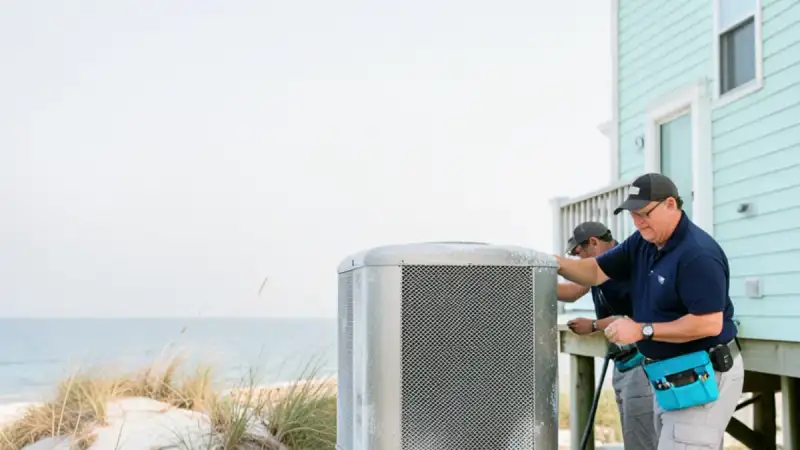
Coastal Corrosion AC Repair
Salt-damaged coils, cabinets and contacts inspected, repaired or ruled out.
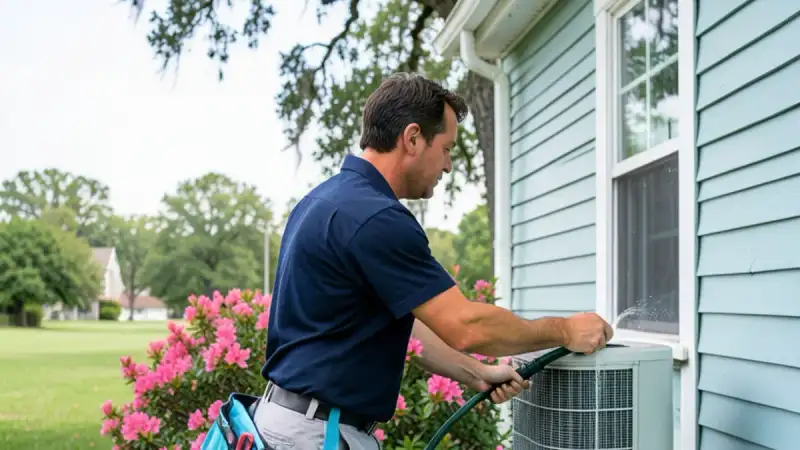
AC Maintenance
Coil rinse, drain care and electrical checks before the long cooling season.
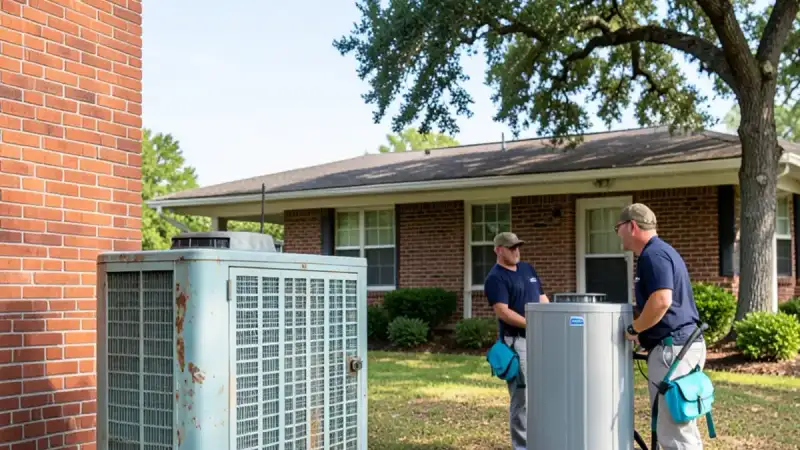
AC Replacement
Repair-or-replace advice, a matched system and a line-itemed quote to compare.
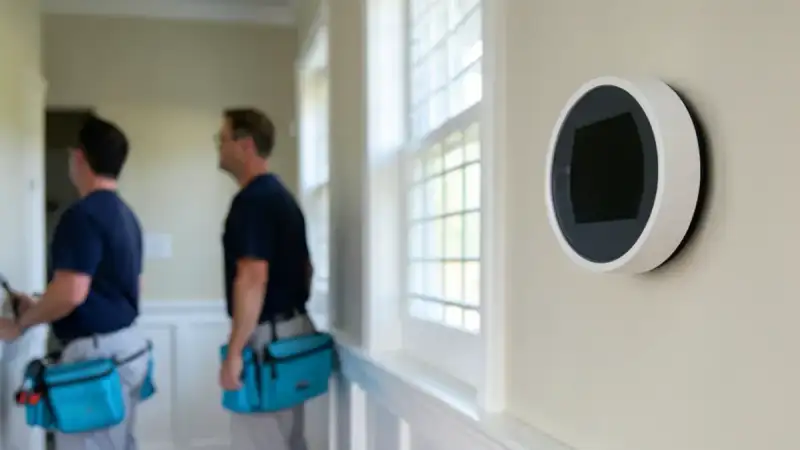
Thermostat Installation
Smart and programmable thermostats wired, set up and tested in heating and cooling.
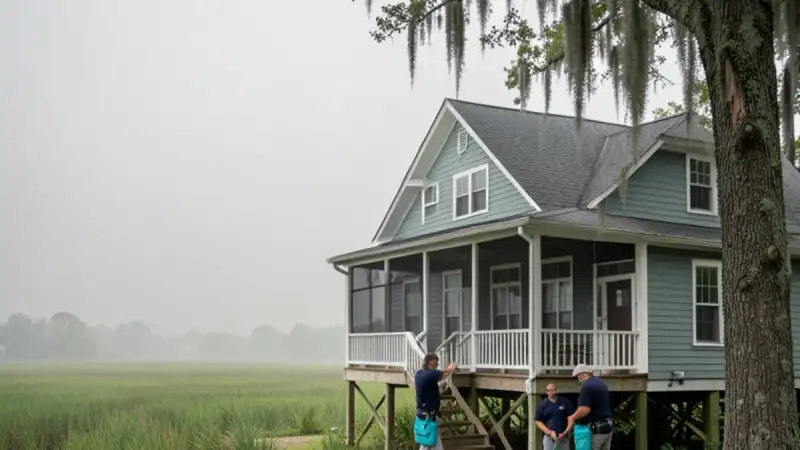
Whole Home Dehumidifiers
Humidity control for sticky Lowcountry homes, after the AC and ducts are checked.