How to Choose an HVAC Contractor in Charleston
Check the license yourself, see the insurance certificate, get line-itemed quotes in writing and ask how the system was sized. Those four tests do most of the work.
- 4.9★ on Google (16 reviews)
- Open 24 hours, 7 days
- Clear, upfront quotes
By the Aero Air Techs team. Published October 30, 2026, updated October 31, 2026.
Here is how to choose an HVAC contractor in Charleston: check the license on the state lookup, see the insurance in writing, get line-itemed quotes, ask how the system was sized, confirm who handles the permit, and read reviews for detail. Run those six checks on everyone who bids, us included.
None of this takes long, and it matters more here than in most places. NWS Charleston logged 71 days at or above 90°F in North Charleston in 2025. A poor install gets found out quickly in a climate like that, and usually in July.
How to choose an HVAC contractor in Charleston starts at LLR
Look it up yourself. Do not rely on a logo, a truck sticker or a sentence on a website, and that includes ours.
South Carolina's Department of Labor, Licensing and Regulation, or LLR, oversees contractors. The Residential Builders Commission covers residential work and the Contractor's Licensing Board covers commercial mechanical work. Ask for the exact company name and license number, then enter them on the LLR license lookup.

Check three things on the result:
- The name matches the company on your quote
- The license is active
- The classification fits your job, residential or commercial
How do you confirm insurance?
Ask for a certificate of insurance, not a verbal yes. Any contractor who carries a policy can have the agent send one. Look for general liability and workers' compensation, and confirm the dates cover your job. If you want to be thorough, call the agency listed on the certificate.
This protects you. A helper who falls through an attic ceiling, or a torch that scorches a wall, can become your problem if nobody else's policy responds. Ask your own home insurer what it expects as well.
Technicians who handle refrigerant must be certified under EPA Section 608, a federal rule. Ask any contractor how they meet it.
What should a written quote include?
Everything you would argue about later. Get it on paper before work starts, with a line for each major item. A single total on a business card is not a quote you can compare.
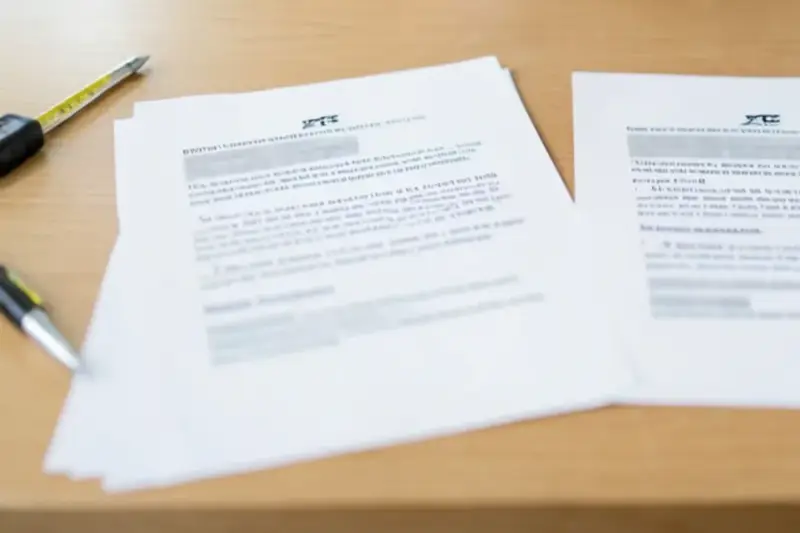
A good line-itemed quote shows:
| Line | What to look for |
|---|---|
| Equipment | Model numbers for each matched piece, indoor and outdoor |
| Efficiency | SEER2 and HSPF2 or AFUE ratings |
| Sizing | The method used, and results if you ask |
| Ductwork | What is being reused, repaired or replaced |
| Electrical and drain | Disconnect, wiring, pad, condensate line |
| Permit | Who applies and who schedules inspection |
| Warranty | Manufacturer terms, plus labor terms in writing |
| Payment | Amounts tied to stages of the job |
| Start date | When the work begins and how long it should run |
Be careful with money up front. Do not pay for the entire job before work starts, and pay in stages tied to finished work. In an August 2026 Live 5 News report, a local remodeler flagged being rushed into a decision and cash-only requests as warning signs. Those two would make us stop too.
Did anyone actually run a Manual J?
Ask this on any replacement or new install. Manual J is the trade's method, published by ACCA, for working out the heating and cooling load of a specific house. It accounts for things like insulation, windows and building materials. It tells you how much system the house needs.
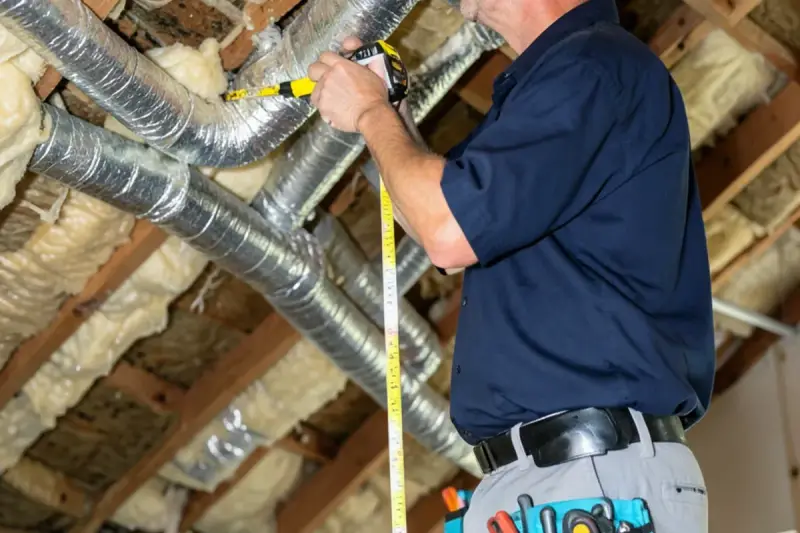
Be wary of sizing by rule of thumb or by copying the tonnage on the old unit. The old unit could have been the wrong size from day one, and the house may have changed since. Oversizing is a real problem in humid Charleston weather, because the system cools the air fast, shuts off and leaves moisture behind.
Ask each bidder three questions:
- Did you measure the house?
- Can I see the load calculation results?
- Did you check the ducts against the new equipment?
A contractor who can explain the answers in plain English is showing you how they work.
Who handles the permit?
Get a name for this in writing. Each town and county runs its own permits, and rules vary across the area. In the City of Charleston, the Permit Center handles the mechanical trade permit, called Form 5.1, and sources conflict on same-size swap exemptions, so ask the office directly. In North Charleston or anywhere else, call the jurisdiction that covers your address.
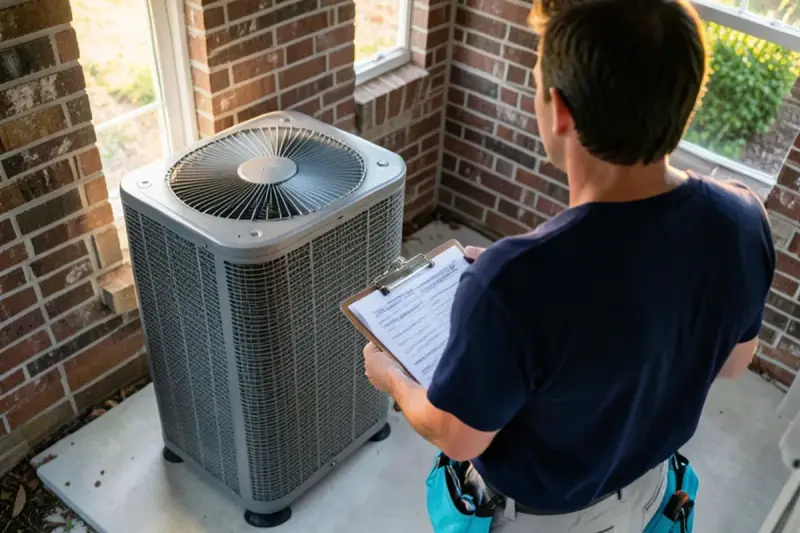
Be cautious if a bidder suggests skipping the permit to save time. An inspection gives you an independent look at the work. Flood zones and historic districts add rules of their own, so mention those up front if they apply.
How should you read reviews?
Read for specifics, not stars. A short string of perfect ratings tells you less than a few reviews that mention arrival, explanation and price. The SC Department of Consumer Affairs also suggests searching a company's name with the word complaint or scam, and its site shows complaints along with whether the business responded.
Look for reviews that describe the kind of work you need. Check how the company answers the unhappy ones. And ask people you know, which both the local remodeler and the state's consumer agency recommended in that same report.
Apply this to us too. We are at 4.9 out of 5 from 16 Google reviews as of October 2026. That is a small sample, so read them for yourself.
“My experience with Aero Air Techs has been excellent! Cris was communicative, transparent, knowledgeable, and punctual. I couldn't recommend them enough!”
“We have used Rodriquez Washington and the company several times and he does an awesome job! He is honest and takes his time with us. We will continue to use him at Abyssinia Baptist Church.”
“They arrived promptly, clearly explained the necessary work, and completed everything efficiently. Extremely professional—I highly recommend them!”
4.9 out of 5 from 16 Google reviews (checked October 2026). Read more reviews · Leave a review
How should you pay, and when?
Keep money tied to progress. A deposit is common on larger jobs, and the balance should follow finished work, so you always hold some leverage until the system runs and any inspection is done.
- Tie each payment to a milestone. Equipment delivered, installation complete and final sign-off are clear points.
- Avoid paying in full up front. Nobody should need the whole amount before a single tool comes out of the truck on day one.
- Get everything on one document. Scope, model numbers, payment dates and warranty terms should all be in writing.
- Keep the paid invoice. Manufacturers, insurers and rebate programs may ask for it later.
Ask how changes get handled. A hidden problem can turn up once a closet is opened, and a good contract says that any added work needs your written approval before it starts.
What warning signs should end the conversation?
A few things are worth walking away from, whoever the company is.
- A price given over the phone for a replacement, with nobody looking at the house
- Pressure to sign today, or a discount that vanishes tomorrow
- A license number that fails to match the company name on the quote
- A refusal to put the model numbers in writing
- Advice to skip a permit that your local office requires
- A sizing answer that simply copies the old unit
One warning sign is not proof of bad intent. Several together are a good reason to get another written quote.
What should happen after the job is finished?
The last hour matters as much as the first. Before the crew leaves, walk the job with them and ask to see the system running through a full cycle.
- See the start-up numbers. Ask for the airflow and temperature readings taken at commissioning.
- Collect the paperwork. You want the equipment manuals, serial numbers, warranty terms and any registration details.
- Check the site. Old equipment should be gone, the work area cleaned and any openings sealed.
- Confirm the inspection. If a permit applied, find out when the final inspection takes place and keep the record.
- Register the equipment. Many manufacturers set a deadline, and missing it can shorten the coverage.
Then keep every page together in one folder, because the next owner or the next contractor will want to see it someday.
What we tell customers comparing bids
Use this list on everyone, including us. It is a test for any contractor, and this page is not a claim that we have passed it.
So ask us these same questions when you call. Ask for the license number, the insurance certificate, the sizing method and who handles the permit, and then check what you hear. We will give you a clear, upfront quote before work begins, and you can put it beside the others line by line. If someone else's answers are stronger, you should know that before you sign.
Our homepage shows the full range of work we do around Charleston, and the AC installation and heat pump installation pages explain how those jobs run.
Related questions
How many quotes should I get for a new system?
Three is a common target, and two good ones can be enough. What matters is that each quote covers the same scope, so you can compare equipment, ductwork, permits and warranty terms line by line. A much lower number in North Charleston or anywhere else usually means something has been left out, so ask what it is.
Should I always pick the lowest bid?
No. Compare what each bid includes first. Sizing method, permit handling and the matched equipment all change the real value of a quote. A low bid can be fine if the scope matches. If the scope is thinner, the gap often comes back later as a change order, a callback or a system that never works well.
How do I report a problem with a contractor in South Carolina?
Start with the contractor in writing, then go to the state. The SC Department of Consumer Affairs takes complaints and lets you search for complaints against a business, and LLR is another source for complaints about contractors it oversees. Keep your quote, invoices, photos and dates together so you can show exactly what happened.