Is Air Duct Cleaning Worth It?
Sometimes yes, often no. Here is what the EPA says, when cleaning earns its cost and when your money should go elsewhere.
- 4.9★ on Google (16 reviews)
- Open 24 hours, 7 days
- Clear, upfront quotes
By the Aero Air Techs team. Published October 30, 2026, updated October 31, 2026.
Is duct cleaning worth it? Not as routine upkeep, and sometimes yes for a specific problem. The EPA does not recommend cleaning ducts on a schedule, only as needed, and it says duct cleaning has never been shown to prevent health problems.
It earns its cost when you have substantial visible mold, pests or ducts truly clogged with dust and debris.
You should know we offer air duct cleaning, so weigh our view with that in mind. Our advice is the same either way: pay for it when there is a reason you can point to, and fix any moisture problem first.
Is duct cleaning worth it for your house?
Find your situation below. The right-hand column matters as much as the verdict, because cleaning before fixing the cause wastes the money.
| Your situation | Worth it? | Do this first |
|---|---|---|
| Light dust on registers | Usually no | Change the filter, wipe the grilles |
| Dust piles fast everywhere | Rarely the ducts alone | Check filter fit and return leaks |
| Substantial visible mold in sheet metal ducts | Yes | Confirm it is mold, fix the moisture |
| Mold or soaked insulation in insulated ducts | Cleaning will not do it | Plan to replace that section |
| Rodents or insects in the ducts | Yes | Remove the pests and seal entry points |
| Debris blowing out of registers | Yes | Find how it got in |
| Dust after a renovation | Maybe | Look inside before you decide |
| Allergies with nothing visible in the ducts | Unclear | Talk with a doctor |
| Hoping to lower your bills | Usually no | Have coils and duct leaks checked |
What does the EPA actually say?
The EPA's guidance is the plainest source on this topic, and it is more measured than most advertising. Here is its position in short:
- Routine cleaning. It does not recommend it. Clean as needed.
- Health. Duct cleaning has never been shown to prevent health problems, and a light amount of dust in ducts poses no known risk. Dirty ducts are only one source of particles in a home.
- Efficiency. There is little evidence that cleaning only the ducts improves efficiency, though clean coils, fans and heat exchangers may help.
- Who should consider it. If nobody at home has allergies or unexplained symptoms, the EPA calls it probably unnecessary, while noting that some people may choose it anyway.
- Mold. Only an expert can confirm a substance is mold, and a lab test may be needed.
- Chemicals. Biocides should be used only with visible evidence of growth and according to the label. The EPA also says no biocide is registered for internally insulated duct systems, and that sealants have not been proven effective.
- Prevention. Moisture control is the most effective way to prevent biological growth in ducts.
When does a duct cleaning really help?
Three conditions make the case, and the EPA lists all three: substantial visible mold growth, vermin and ducts clogged with excessive dust and debris.
The skeptics do not get the last word, though. The EPA has found no evidence that proper cleaning does harm, and it accepts that some homeowners may want it simply because ducts get dirty over time. If you have bought a house with a poor service history, or you can see years of buildup at the return, that is a reasonable choice. Just buy it for what it can do, which is remove what is there.
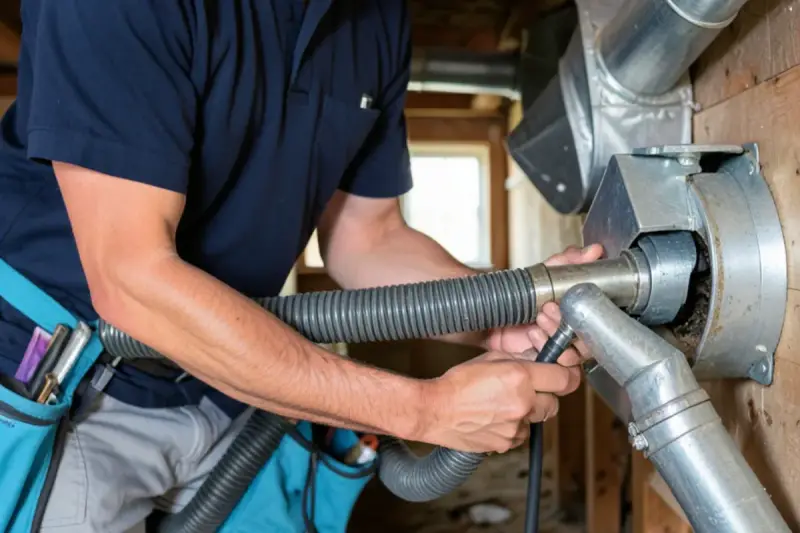
A proper job goes beyond the ducts. The EPA says the whole system needs attention, including registers, coils, drain pans, the fan and the air handler housing, because a skipped part can recontaminate the rest. Its guidance also calls for vacuum equipment that exhausts outside the home, controlled brushing, protected carpets and furnishings and resealed access holes.
Why does moisture matter more on Sullivan's Island?
The EPA points to condensation on or near cooling coils as a major factor in moisture contamination. Near the ocean, that matters. Sullivan's Island homes deal with damp, salty air, and a house that sits closed for weeks at a time can run humid inside as well.
So look at the water before you look at the dust. Check these first:
- Is the drain pan draining, or is water standing in it?
- Are any ducts sweating or missing insulation?
- Is a return leak pulling humid air from under the house?
- Does the AC run long enough to dry the air, or does it short cycle?
If mold is the worry, cleaning without curing the moisture only resets the clock. Sealing leaks through duct repair may be the better first spend, and a filtration upgrade may help if particles are the real complaint.
How do you spot a bad duct cleaning offer?
The EPA's hiring advice is sound, and it applies to anyone you call. Get at least three written estimates, ask for references and verify licenses.
Be careful of any of these:
- Sweeping claims about health benefits, which the EPA says to steer clear of
- A claim that the EPA certifies the company, since it does not certify duct cleaners
- A chemical spray added by default, with no visible growth to justify it
- A quote given with no look at the system
- A plan that skips the coil, drain pan and blower
- No mention of how access holes get resealed
What should you check before booking anything?
Start with the cheap, reversible steps. Together they rule out most of the reasons people call about duct cleaning, and they take less than an hour.
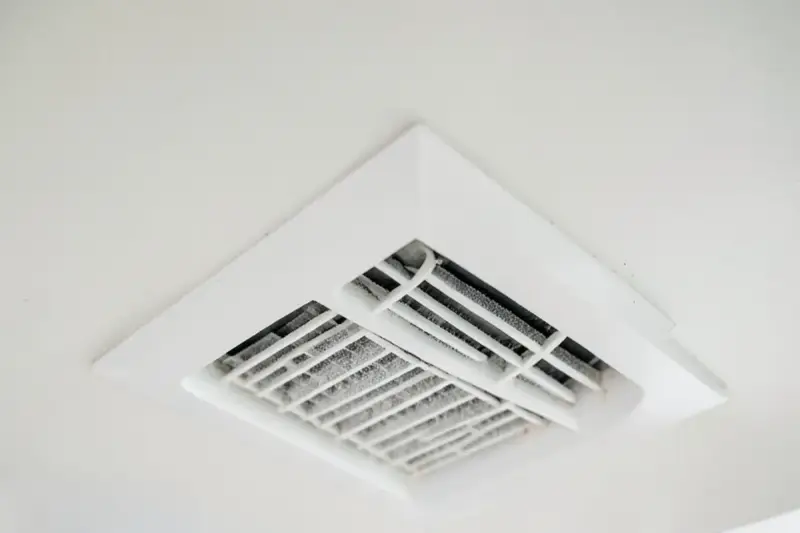
- Pull a register cover. Look at what is on the grille and as far down the duct as a flashlight reaches. Light dust is normal.
- Check the filter fit. Gaps around the frame let dirt past, and that is the most common cause of dusty ducts.
- Look at the return. Leaky return ducts in an attic or crawlspace pull in insulation and debris.
- Check the coil and drain pan access. A dirty coil or a slimy pan can give you a musty smell that has nothing to do with the ducts.
- Note when the smell or dust shows up. Only when the AC runs? Only in one room? Only after rain? The pattern points to the cause.
If you still see heavy debris, droppings or growth after those steps, a proper inspection makes sense.
What does a musty smell usually mean?
Usually moisture, and cleaning alone rarely solves it. In a Lowcountry house, the usual sources are a wet drain pan, a dirty evaporator coil, sweating duct wrap or humid attic air pulled in through a leak. Clean the ducts and leave the moisture in place, and the smell comes back.
Find the water first. Check the pan under the coil, feel the duct wrap in the attic or crawlspace on a humid day, and look for rust streaks at the air handler. If you suspect mold, EPA says only an expert can positively identify it, and that a lab test may be needed. Duct cleaning is not mold removal, and we do not offer mold remediation.
What does a proper job take?
More than a vacuum hose through the register. EPA lists brushing or agitation with contact vacuuming, cleaning of the blower, coil and drain pan, and sealing of any access holes. That is why a real job takes hours and not minutes, and why a very low advertised price is worth a hard look.
Ask how long the crew expects to stay, and whether the coil and blower are in the price. Ask too how they will protect fiberglass-lined duct, which can be damaged by stiff brushes. A company that cannot answer those questions has told you what you need to know.
What we tell customers who ask for a duct cleaning
Show us what prompted the call. A photo of the register, the smell, the dust pattern or the mold spot tells us more than the request itself. Sometimes the answer is a better-fitting filter, and that is a fine outcome.
Ask to see the inside before you pay. A look through a removed register, or a camera if one is used, gives you the same evidence the contractor has.
If the ducts are insulated and the insulation is wet or moldy, do not pay to have it cleaned. The EPA says that material cannot be cleaned effectively and should be removed and replaced.
Keep the filter changed afterward. Good filtration and a dry system are what keep clean ducts clean. We serve Sullivan's Island from Charleston, and every job starts with a clear, upfront quote.
Related questions
How often should air ducts be cleaned?
There is no set schedule. The EPA says ducts should be cleaned as needed and not routinely. Treat any offer of a yearly or every-few-years cleaning as a sales pitch until someone can show you a problem. A camera or an open register gives you a look at the inside before you decide.
Does duct cleaning help allergies?
The EPA says duct cleaning has never been shown to prevent health problems, and dust in ducts is only one source of particles in a home. If someone has allergies or unexplained symptoms, talk with a doctor first. Better filtration and moisture control may do more, especially in a damp Sullivan's Island house.
Will duct cleaning lower my power bill?
Probably not on its own. The EPA says there is little evidence that cleaning only the ducts improves system efficiency. Clean cooling coils, fans and heat exchangers can help. So can sealing leaks. If high bills are your reason for calling, start with the coil and a duct leak check.
Sources
Services this guide relates to
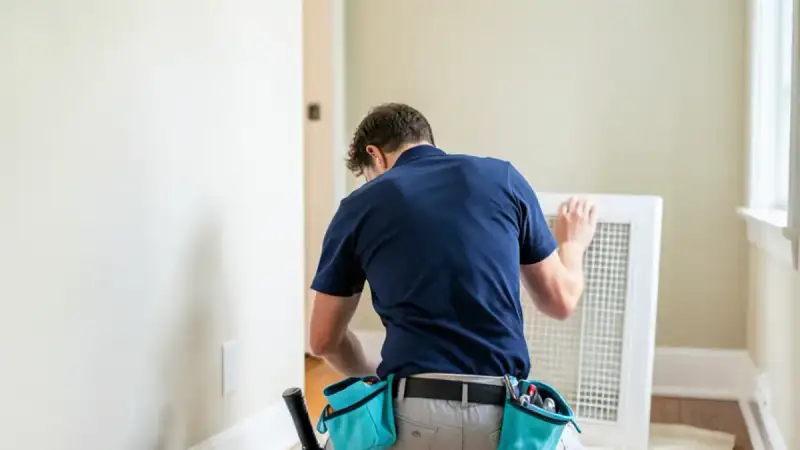
Air Duct Cleaning
A look inside first, with cleaning quoted only when debris or vermin justify it.
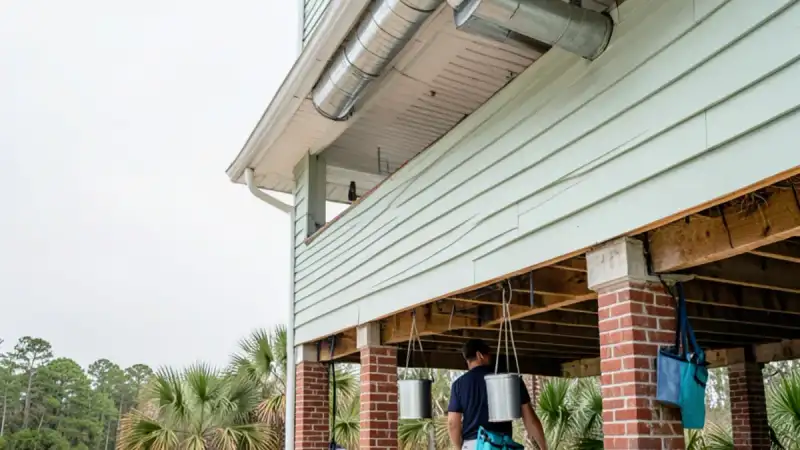
Duct Repair and Replacement
Leaks sealed and failed runs rebuilt in attics and crawl spaces, with airflow checked.

Air Purifiers and Filtration
Filters and whole-home air cleaners matched to your blower, with realistic expectations.